×

The Standard e-Paper
Read Offline Anywhere





Audio By Vocalize
Art-making has always been a solitary affair: painters working late into the night, writers retreating into quiet places with notebooks, and filmmakers penning scripts and proposals behind closed doors.
Artists come together mostly through exhibitions, auditions, sets, and film premieres.
Filmmaker Graysen Kilonzo Nixon is changing that.
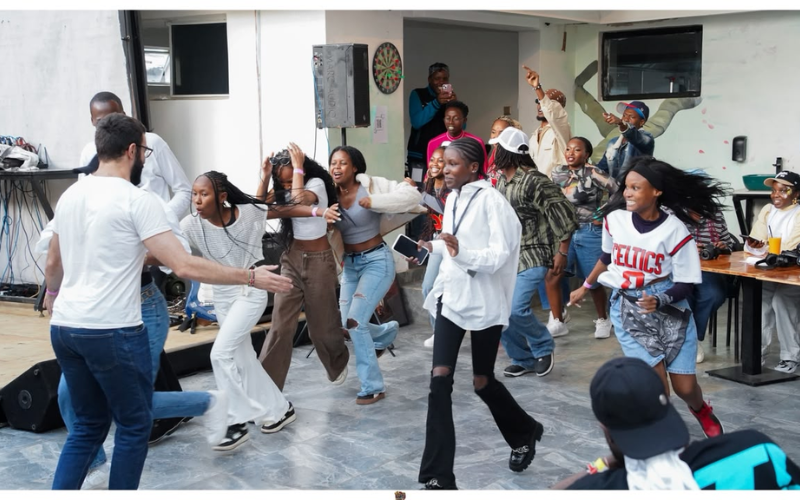
He is setting the stage for the second edition of Actors’ Day Out, an event that brings together actors, filmmakers, casting directors, digital creators, and other creatives to meet outside the demands of productions and auditions, and foster collaboration and community.
The interactive first edition in May was graced by Gerald Langiri, Lorna Lemi, Tobit Tom, Red Brenda, Basil Mungai, Favour Kibali, Dorothy Gatwiri, Fifi Kamene, Alethea Juliet, Shantal Rohbi, Nicole, and Bitango Carson, among others. Held at Lost Woods in Lavington, Nairobi, the event had 112 attendees from different parts of the industry.
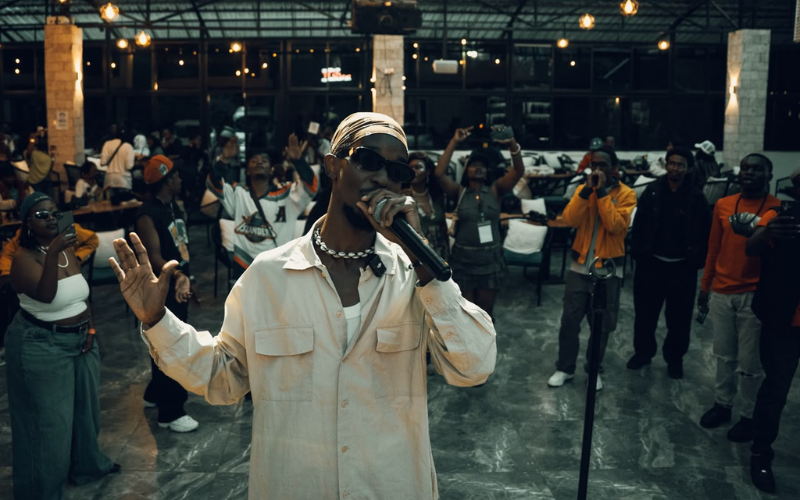
Nixon, who is the director of Kijivuland, which hosts the event and makes films, says that Actors’ Day Out is also a response to the perception that the film industry is held back by gatekeeping and mistrust.
“I believed it was good to create a space where actors can meet ahead of professional settings so that it becomes easier to work together since you’ve already hung out with them,” he explains.
In the first edition, they mixed participants into teams comprising actors, influencers, casting directors, and filmmakers and encouraged conversations and collaborations.
He explains that the acting industry is becoming more diverse with people creating skits on the internet. He wanted to create a space where all these different paths could come together.
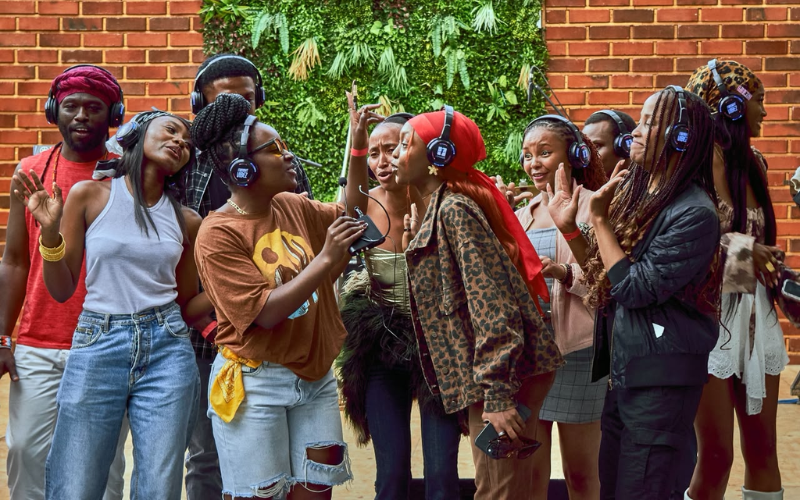
The initiative explored networking activities with conversations about the challenges facing the industry. Participants also took part in interactive sessions and karaoke performances headed by actors Mugambi Ikiara and Terry Ng'ang'i. The casting directors and actors also engaged in candid conversations.
"It gave everyone a chance. You don't have to know the right people to make it. You can come to the event, meet a casting director, and they might like what you do," he encourages.
Organising the event challenged his assumptions about what it takes to bring an idea to life. While he believed sponsorship would be important, he says the event was made possible through the support of friends and the film community.
"Through the power of our own network, we were able to make it happen. Now, if sponsors come on board, they'll be joining something that has already started," he says.
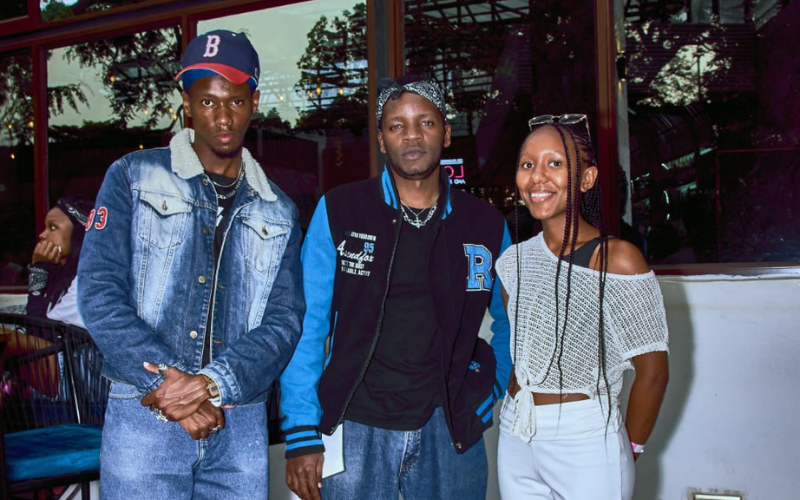
Initially planned as an annual gathering, Actors’ Day Out is now biannual, with the second edition scheduled for September 13.
Nixon sees the event becoming a regional base where filmmakers and actors from different countries can meet, collaborate, and build lasting professional relationships.
"I would love to see actors from different countries coming to Nairobi for this event. Instead of trying to meet filmmakers individually, everyone can gather in one place,” he says.
He wants to discourage gatekeeping and for filmmakers to see that many opportunities and people are willing to collaborate. He encourages people to position themselves where opportunities are.
Nixon’s feature films, through Kijivuland, have centred on women’s empowerment and mental health, such as Daughter of the Lake, which was screened in Germany and Australia, and the short series titled Rumi developed through a filmmaking workshop.
They are also preparing to launch Little High, a comedy-drama feature starring Fridah Mumbe and directed by Allan Bosire.
Subscribe to our newsletter and stay updated on the latest developments and special offers!